Some links in this post are affiliate links. If you buy something through one, Life in Soft Colors earns a small commission and you pay exactly the same price. (It does not change what I recommend.) More on how that works.
I have done this more than once now. I find something in a store, a cushion, a lampshade, once even a whole rug, and it looks exactly right under the store lights. Warm, soft, exactly the tone I pictured. I get it home, set it down in the spot I had planned for it, and it looks like a slightly different object. Not ruined, just off. For a long time I assumed I had bad instincts for color. What was actually happening was much simpler: stores and homes are almost never lit the same way.
nn
Store Lighting Is Doing a Lot of Work
n
Most stores, especially the kind that sell home goods, use lighting that is chosen specifically to make products look their best. That often means brighter, more even light than most people have at home, sometimes with a warmer cast built in on purpose because warm light tends to make things look inviting and expensive. It is not dishonest exactly, it is just a controlled environment built to flatter, the same way a good photograph is lit to flatter its subject.
nn
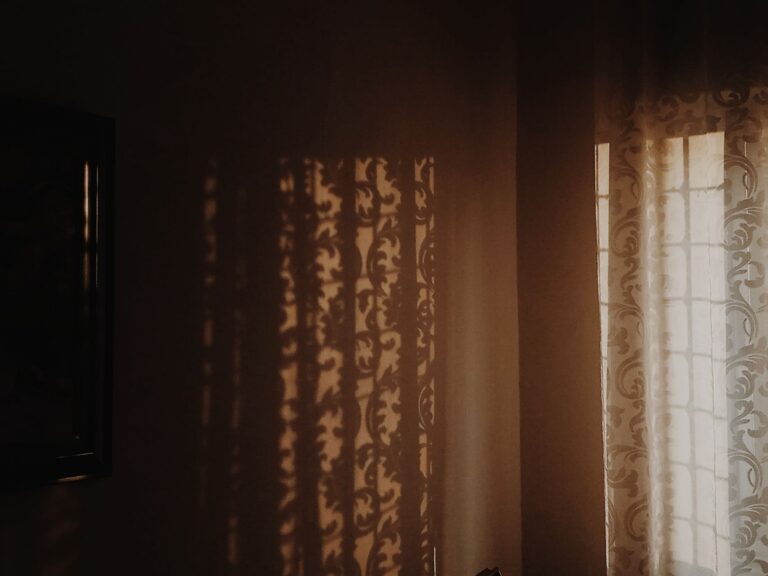
Your home, on the other hand, has whatever light happens to fall in that one corner at that one time of day, filtered through your actual windows, your actual curtains, and whatever bulbs happen to be in your lamps. That is a completely different set of conditions than a showroom with rows of consistent overhead lighting.
nn
Cloudy Days Make This Even More Confusing
n
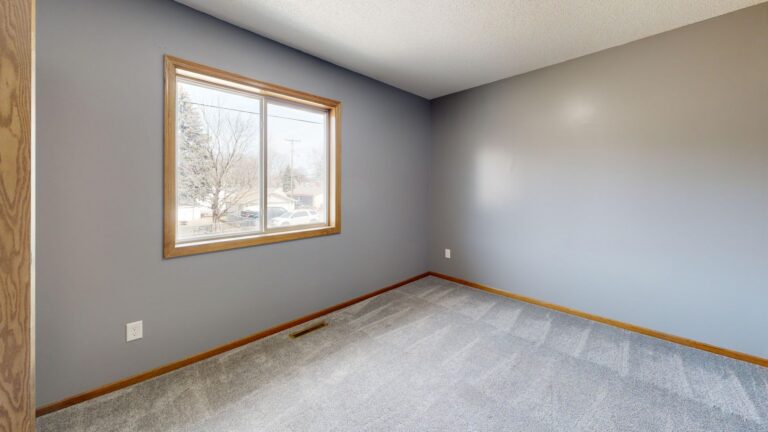
Weather adds another layer on top of all this. A color you love in your home on a bright sunny afternoon can look noticeably different on an overcast day, sometimes within hours of each other. Cloud cover diffuses and cools the light coming through your windows, which tends to pull colors toward gray and mute their warmth. A cream that looked golden and rich on a sunny Tuesday can look pale and a little flat on a gray Wednesday, in the exact same spot in the exact same room.
nn
Nothing about the object changed between the store and my living room. The light around it changed completely, twice: once when I left the store, and again every time the weather did.
nn
What I Do Differently Now
n
I have not stopped falling for things in stores, I have just changed how I test them before committing. A few habits that have saved me from disappointment:
n
- n
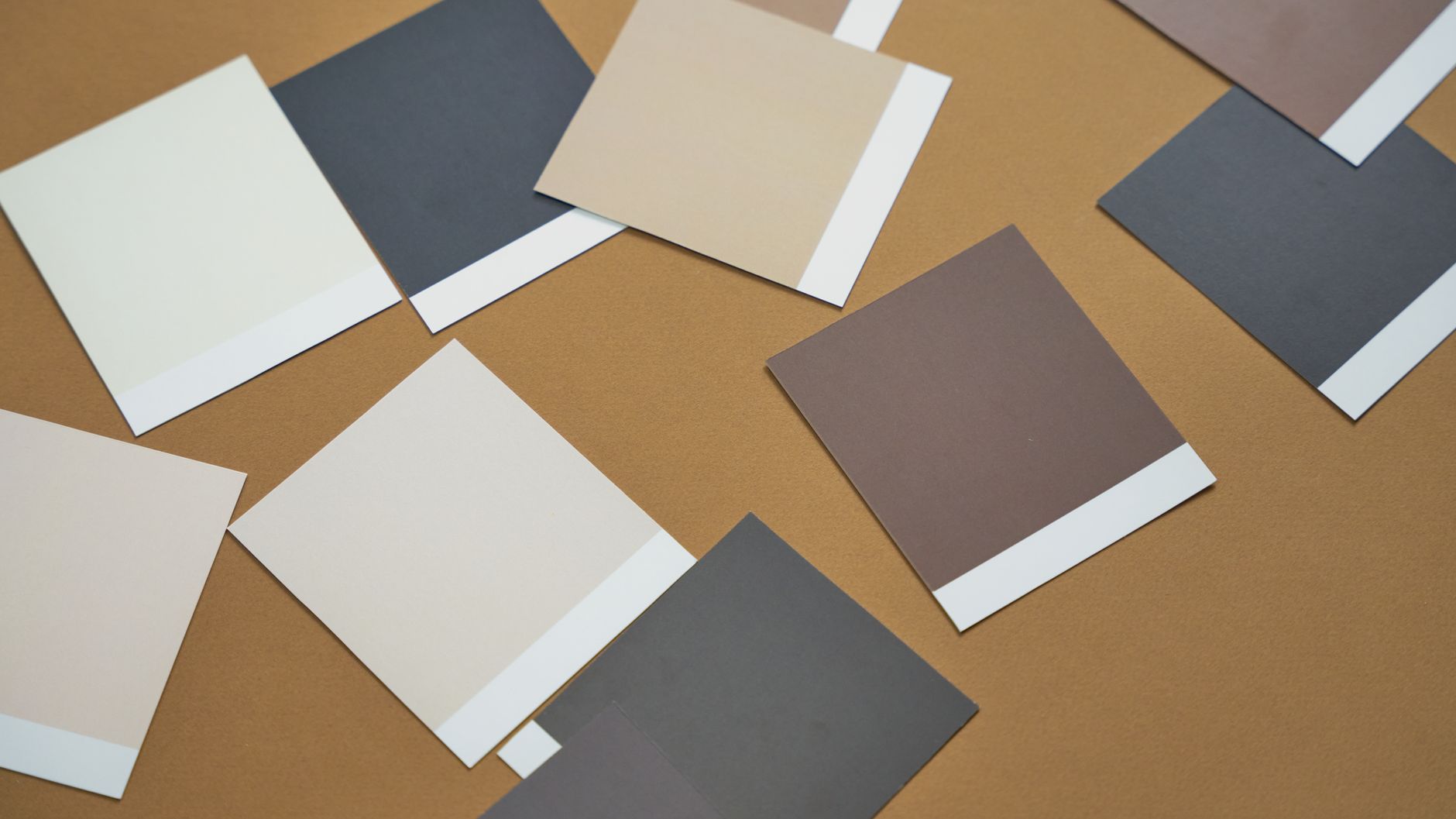
- If a store allows it, I ask to bring a small sample or swatch home rather than trusting my memory of the store version. Memory is unreliable here in a way that surprised me. I remembered things as warmer and richer than they actually were once I compared a real swatch side by side.
- I look at anything I am seriously considering at more than one time of day at home, ideally a bright moment and a gray or overcast moment, before deciding it earns a permanent spot.
- I pay attention to what kind of lighting the store itself is using, when I can tell. Warmer, dimmer stores tend to flatter warm colors more than they will look at home. Very bright, even lighting tends to make colors look more saturated and clean than they will under a single home lamp.
- For anything expensive or hard to return, I try to view it near a window rather than only under the store’s overhead lights, since window light is closer to what most of it will actually experience at home.
n
n
nn
Online Shopping Has Its Own Version of This Problem
n
Product photos are their own kind of store lighting, usually even more controlled and more flattering than an actual physical store. A single photo represents one moment, one light setup, sometimes even a little bit of editing, and none of that tells you what the item will look like on a rainy Thursday in your specific living room. I have started assuming that anything I am buying online will look slightly cooler and slightly less saturated once it gets home, just as a general rule of thumb, so I am rarely caught off guard anymore.
nn
It Is Not Really About Being Fooled
n
I used to feel a little silly about this, like I had been tricked by clever lighting. Now I think of it less as being fooled and more as just learning to translate. A store shows you a color under ideal, generous conditions. Your home is going to show you a more honest, more variable version of the same color, one that shifts with the weather and the hour, and that is not a flaw in the object, it is just what real daylight does that a showroom does not have to deal with.
nn
The Short Version
n
Stores light things to flatter them, usually brighter and warmer than most homes, and weather changes what your own windows are doing to a color from one day to the next. A cream that looked rich under store lights can look pale on a cloudy afternoon at home, and that is completely normal. Bring a real sample home if you can, check it on both a bright day and a gray one before deciding, and give yourself permission to return something that only looked right under one very specific kind of light.