Some links in this post are affiliate links. If you buy something through one, Life in Soft Colors earns a small commission and you pay exactly the same price. (It does not change what I recommend.) More on how that works.
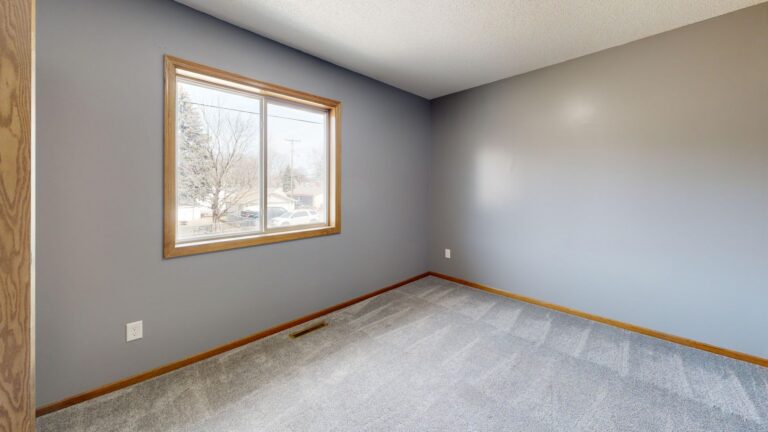
My bedroom wall is a soft sage green, and for the first few weeks after painting it, I loved it every single morning and quietly avoided it every night. It took me an embarrassingly long time to realize I had only ever really looked at the color in morning light. I got dressed in there, glanced at the wall, thought it looked lovely, and left. I never once stood in that room in the evening and actually paid attention to what the color was doing under a lamp.
nn
Morning Light Is Not the Same as Evening Light
n
Morning light, especially early morning, tends to be cooler and clearer. It has a crispness to it. Colors can look a little brighter and cleaner in that first hour or two of daylight, especially in a room that gets any east exposure at all. It is a flattering, wide-awake kind of light.
nn
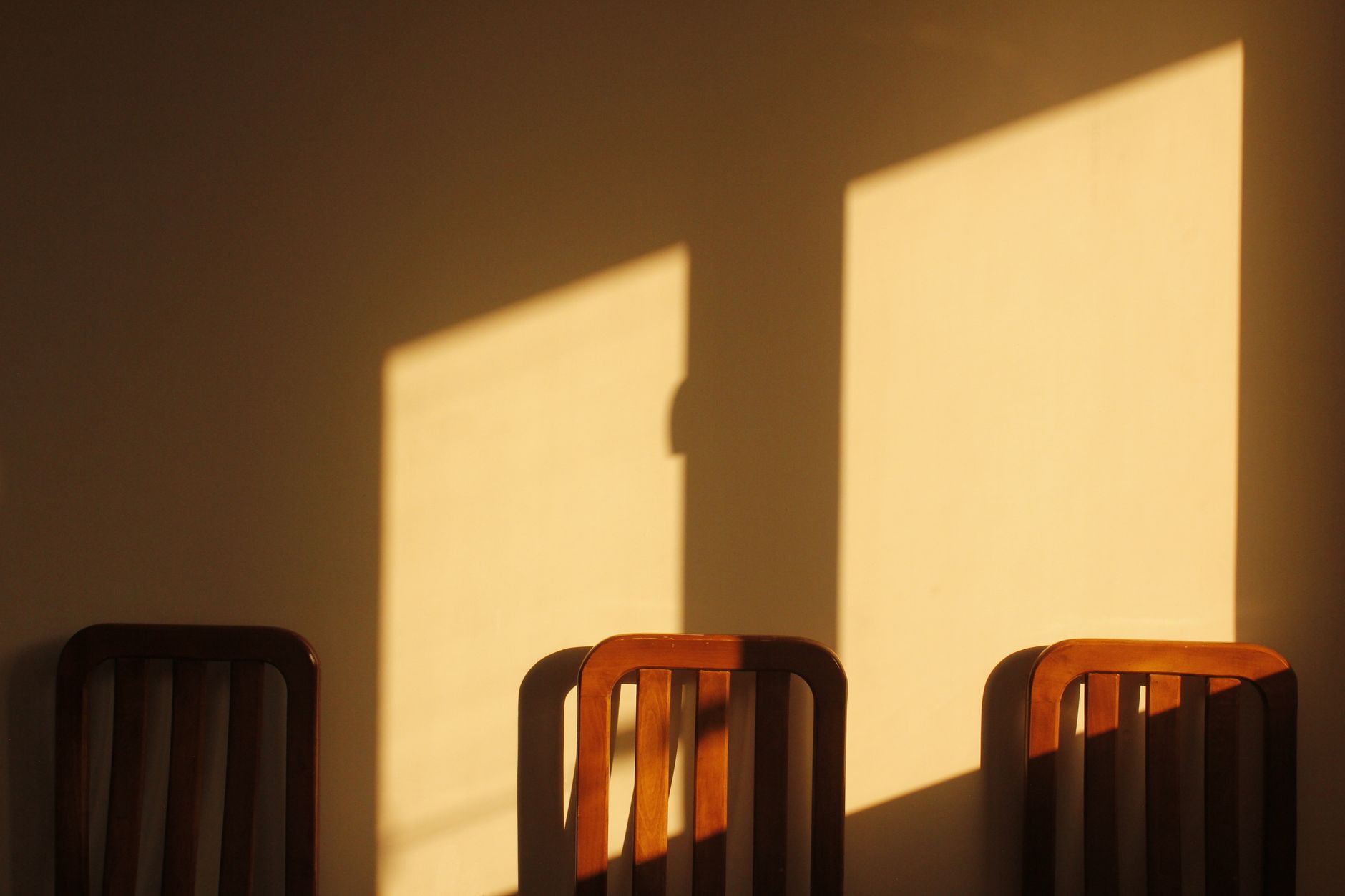
Evening light does something completely different depending on how you are lighting the room. If you still have natural light left, late afternoon and early evening sun (especially from the west) tends to go gold and long, warming everything it touches. But once the sun is down and you are relying on lamps or overhead lighting, the color of your actual light bulbs takes over completely, and that is where a lot of colors start to shift in ways people do not expect.
nn
Where My Sage Green Went Wrong
n
My bedroom lamps have warm bulbs, the yellowish kind rather than a cooler white. In the morning, with real daylight, my sage green looked exactly like I wanted: soft, a little dusty, calm. At night, under that warm lamp light, the green pulled toward a muddier, more olive tone. Not bad exactly, but not the version of the color I picked out on the paint chip either. I had chosen a color while only ever testing it in daylight, then spent every evening living with a slightly different version of it.
nn
The color did not change. My light did. I just had not been paying attention to which one I was standing under.
nn
What to Actually Check Before Committing to a Color
n
Now, before I commit to any color for a room I actually spend evenings in, I try to look at it at three different times:
n
- n
- Mid-morning, in natural light, no lamps on.
- Late afternoon, when the light is starting to go golden and long.
- After dark, under whatever lamps or overhead light I will actually be using at night.
n
n
n
If I only have time for one check, I pick whichever time of day I actually spend the most awake hours in that specific room. A home office I use from 9 to 5 gets judged in daytime light. A bedroom I mostly experience after 8pm gets judged under lamp light, because that is the version of the color I am actually going to live with most.
nn
Warm Bulbs vs Cool Bulbs Matter More Than People Think
n
This part genuinely changed how I shop for light bulbs, not just paint. A warm bulb (the kind that leans yellow-orange) will push almost every color toward warmer and muddier. Greens go olive, grays go beige, blues can lose some of their crispness. A cooler, whiter bulb keeps colors closer to how they look in daylight, but it can also make a room feel a little less cozy in the evening, which is its own kind of trade-off.
nn
I ended up not fighting this so much as accepting it room by room. My bedroom is meant to feel warm and sleepy at night, so I let the warm bulb do its thing and just chose a sage green that could handle going a bit olive without looking wrong. My kitchen, where I actually need to see true colors while cooking, gets a cooler bulb so the pale blue-gray cabinets stay looking like themselves in the evening instead of drifting yellow.
nn
A Small Trick for Testing at Night
n
If you are trying to picture how a paint color will look under lamp light before you commit, hold the swatch right next to the actual lamp you plan to use, after dark, with the rest of the lights off. It sounds fussy but it takes thirty seconds and it will tell you more than staring at the same swatch in daylight ever will. I do this now for anything going in a room I use mostly in the evening, and I have stopped getting surprised by a color that looked perfect at 10am and strange at 10pm.
nn
The Short Version
n
A color is not one fixed thing. It is a conversation between the pigment and whatever light happens to be hitting it at that moment, and that light changes completely between a bright morning and a lamp-lit evening. If you only ever check a color at one time of day, you are only getting half the story. Look at it morning and night before you decide, especially for a room you actually live in after dark, and let the bulb you choose be part of the color decision, not an afterthought.