Some links in this post are affiliate links. If you buy something through one, Life in Soft Colors earns a small commission and you pay exactly the same price. (It does not change what I recommend.) More on how that works.
Every December I fall in love with my living room all over again, and every July I stand in that exact same room wondering why it looks a little tired. Same couch, same walls, same rug. It took me a couple of years of this cycle before I stopped blaming the furniture and started paying attention to what the light itself was actually doing between those two months.
nn
Why Winter Light Reads Warmer Than You Think
n
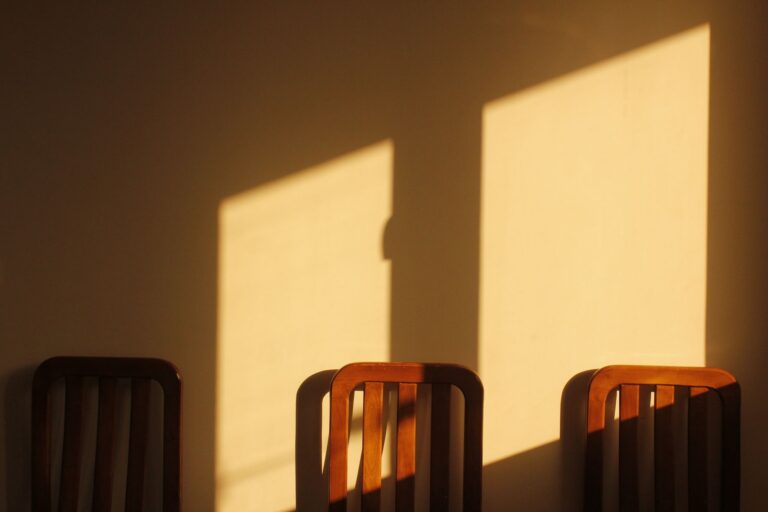
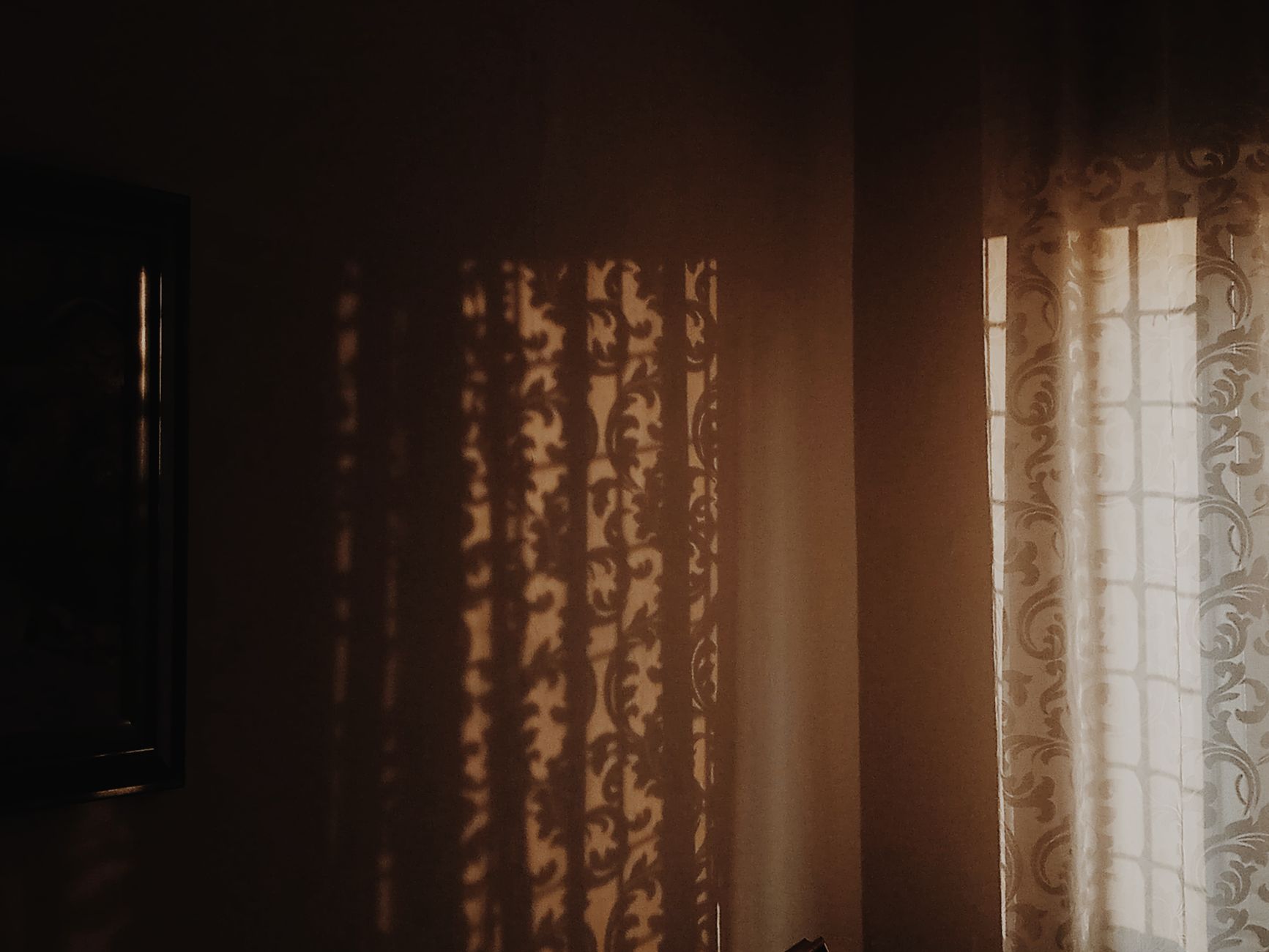
This one surprised me because winter feels cold, so I assumed the light would feel cold too. In practice, the sun sits much lower in the sky in winter, which means the light traveling into your room has passed through more atmosphere before it reaches you, and that tends to strip out some of the blue and leave more of the amber and gold behind. Low winter sun has a warm, almost honeyed quality to it, especially in the late afternoon. It is one of the reasons a room can feel so cozy in January even though it is freezing outside.
nn
So a clay pink, a rust, a warm terracotta, all of these get a little assist from winter light. They deepen and glow instead of looking dull. My clay-colored couch looks genuinely rich in December, almost like it has more pigment in it than it actually does.
nn
Why Summer Light Flattens the Same Colors
n
Summer sun sits higher overhead, the days are longer, and there is simply more light bouncing around, including light reflecting up off green grass and leaves outside the window. That extra brightness and that green cast both work against warm, dusty colors. The same clay pink that glowed in winter can look almost chalky or faded under strong summer daylight, not because the color changed, but because it is being flooded with more light than it needs and getting a slightly cooler, greener tint mixed in from outside.
nn
I used to think my couch was fading. It was not fading. It was just July.
nn
Which Colors Move the Least
n
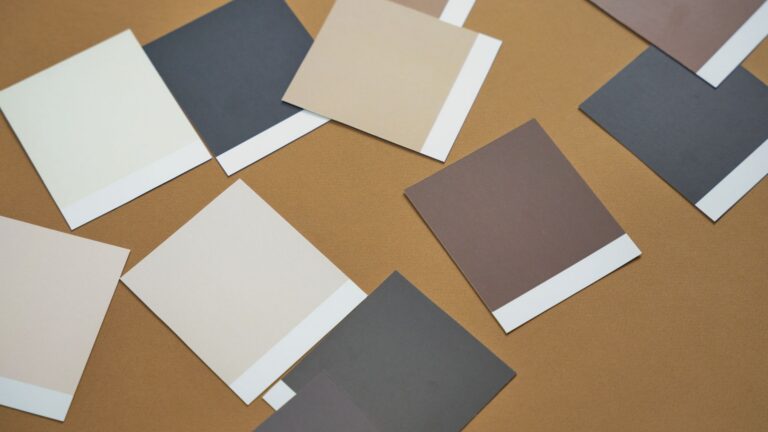
Not every color swings this much between seasons. In my experience, the colors that hold steady year-round tend to be the ones sitting closer to true neutral, without leaning hard warm or hard cool. A balanced greige, a soft warm white, a mid-tone taupe. These do not have as far to travel between a warm winter glow and a bright summer wash, so they look more like themselves in both seasons. The colors that move the most are the ones with a strong temperature lean already baked in, like a dusty rose, a warm ochre, or a cool sage.
nn
What I Actually Do About It
n
I am not repainting my living room twice a year, and I do not think anyone should have to. Instead I think of the wall and big furniture colors as the constant, and I let smaller things do the seasonal adjusting:
n
- n
- In winter, I add things that lean into the warmth the light is already giving me: a heavier wool throw, warm-toned candles, a deeper accent color on a single chair.
- In summer, I add something cooler or crisper to balance the extra brightness: a linen throw in a paler tone, a green that leans blue rather than yellow, more white space so the brighter light has somewhere calm to land.
- I try to actually look at a big color decision (a couch, a rug, a wall) in both a winter afternoon and a summer afternoon before committing, if the season allows for it. If I only have one season to test in, I mentally push the color a little warmer for winter viewing or a little cooler for summer viewing.
- For anything I am buying online, I remind myself that the product photo was shot under one specific light at one specific moment, and my room will show me a moving target across the year, not that single frozen version.
n
n
n
nn
A Small Note on Cloud Cover
n
Season is not the whole story either. A gray, overcast winter day and a gray, overcast summer day can actually look closer to each other than a sunny day and a cloudy day within the same season do. Direct sun versus cloud cover changes a room fast, sometimes within the same afternoon, while the winter-to-summer shift is slower and more gradual. So if you are trying to judge a color fairly, the weather on the day you are looking matters just as much as the month on the calendar.
nn
The Short Version
n
Winter light tends to run warm and low, which flatters dusty, warm colors and makes a room feel rich and cozy. Summer light runs brighter and cooler with a green cast from outside, which can wash the same warm colors out. Neutrals move the least between the two. Nothing is wrong with your couch. It is just living through a full year of light, the same as you are, and it is going to look a little different in each season because of it.