Some links in this post are affiliate links. If you buy something through one, Life in Soft Colors earns a small commission and you pay exactly the same price. (It does not change what I recommend.) More on how that works.
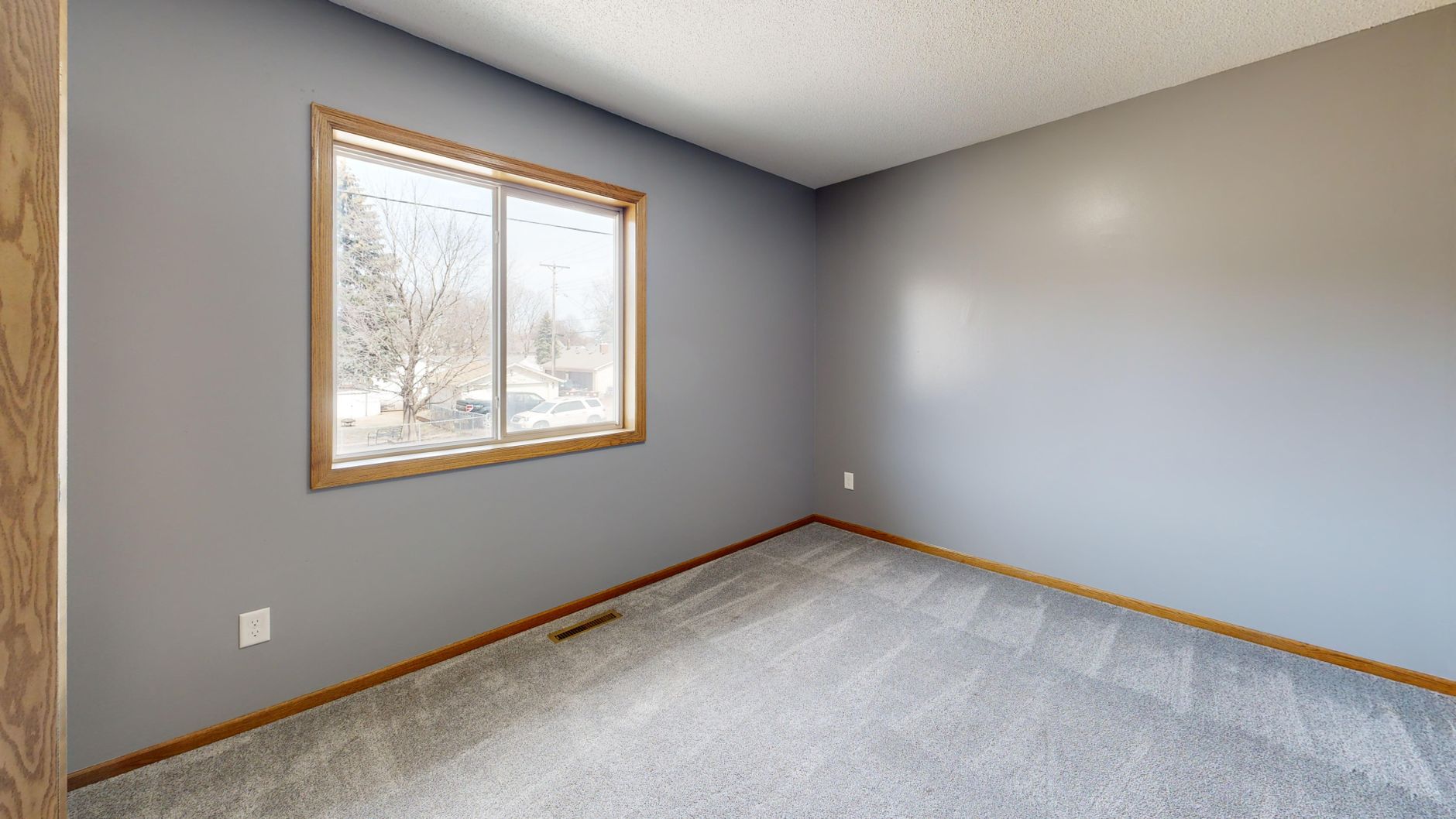
I have a room that faces almost due north, and for about a year I thought something was wrong with my paint. I picked a warm, buttery sort of color (the kind that looks like it should glow) and the second it went on the wall it just… sat there. Flat. A little gray, even, no matter what time of day I looked at it. I kept thinking I had picked the wrong shade. I had not. I had picked a normal shade for the wrong kind of light.
nn
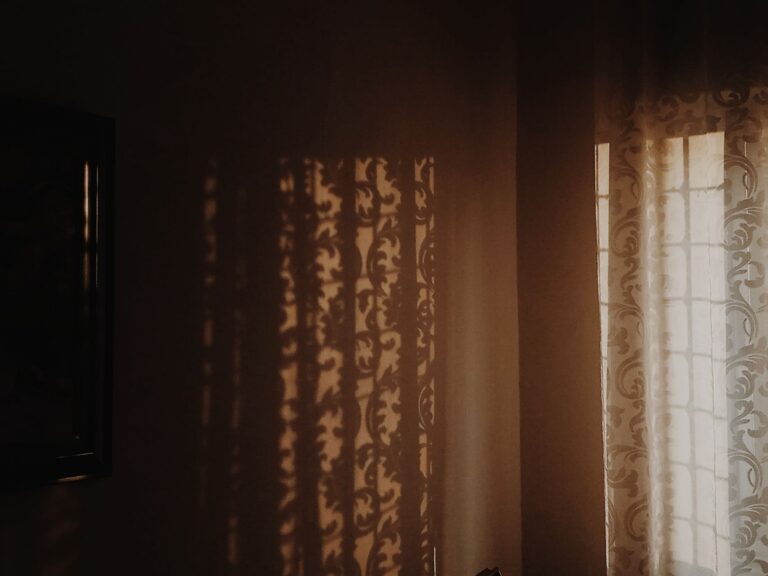
North light does something specific. It is indirect, so instead of a beam of sun hitting the wall and bouncing warmth back at you, you are getting the cooler, more even light that comes from the whole sky rather than the sun itself. It is steadier than light from other directions (it does not swing wildly from bright to dim the way a west room does at sunset) but it leans cool and gray by nature, and it stays that way most of the day.
nn
What This Actually Does to a Color
n
Any color you put in a north room gets pulled a little toward gray and blue, whether you wanted that or not. A warm beige can start reading as putty. A soft green can look almost khaki. A pink that felt rosy on the paint chip can go dusty and muted once it is on four walls with no direct sun ever touching it. None of this means the color is wrong. It means the room is showing you a slightly cooler, quieter version of it than you saw in the store.
nn
This caught me off guard the first time because I did all my swatch testing on a kitchen counter that gets afternoon sun from the west. Totally different light. The same little paint card that looked warm and inviting in that spot looked almost sad taped to my north wall. Not a bad color. Just a different light doing a different thing to it.
nn
The Test I Wish I Had Done Sooner
n
Now I always test colors in the actual room, at a few different times of day, and I try to look at the swatch away from any lamp, using only whatever daylight comes through that specific window. A color that still looks good in flat north light at 11am and again at 4pm is one I trust. A color that only looks good for twenty minutes when a lamp is angled just right is one I am going to be disappointed in later.
nn
My rule now: if a color only looks good under a lamp, it is not going to survive a gray Tuesday afternoon in a north room.
nn
Working With It Instead of Against It
n
Once I stopped fighting the flatness and started planning around it, the room actually got easier to love. A few things that helped:n
n
- n
- Leaning slightly warmer than I think I need to. If a color looks perfectly warm on the swatch, it will likely read neutral or cool once it is on the wall in north light, so I nudge one or two shades warmer than my instinct.
- Adding warmth in the layer on top of the wall color instead of fighting the wall itself. A warm wood side table, a rust-colored throw, a brass lamp base. These give the eye something warm to land on even while the wall stays cooler and calmer.
- Letting the room be the quiet one. North rooms are honestly wonderful for colors that are supposed to feel calm and even, like a true soft gray or a muted sage, because the light will not fight you or wash them out with glare.
- Checking the color at the darkest point of the day I actually use the room. If it is a reading nook I sit in at 7pm in winter, I need to know what that color looks like under a warm lamp with zero daylight left, not just at noon.
n
n
n
nn
Seasons Make It Move Around Even More
n
Here is the part that took me the longest to notice. North light itself does not change all that much through the day (that is sort of its whole personality, steady and even) but it absolutely changes across the year. Winter north light, at least where I live, is thinner and bluer. Summer north light has a bit more bounce and warmth to it, partly because the sun is higher and more light is reflecting off everything green outside the window. So a color that felt calm and pale gray in July can feel a little cold and closed-in by January.
nn
I do not repaint for this (that would be a lot) but I do let the room’s soft layer shift with the seasons. Heavier, warmer textiles come out in the darker months. Lighter, cooler linen goes back in when the light warms up again in summer. The wall stays exactly the same color the whole time. It is just being lit differently, and dressed differently to match.
nn
The Short Version
n
If a room faces north and a color you loved somewhere else looks muddy or gray once it is up, it is probably not a bad color. It is just being shown to you honestly, without any warm sun to flatter it. Test in the room, at the hours you actually live in it, across at least a cloudy day and a sunny one if you can manage it, and lean warmer than your gut tells you to. The room will still be quieter than a south-facing one. That is not a flaw. It is just what that light does, and once you know it, you can work with it instead of feeling like you picked wrong.