Some links in this post are affiliate links. If you buy something through one, Life in Soft Colors earns a small commission and you pay exactly the same price. (It does not change what I recommend.) More on how that works.
For a while I thought loving a soft, muted palette meant I had to pick one version of it and defend it fiercely all year, no matter what the light outside was doing. Then I noticed that the exact same palette that felt perfect in October felt a little flat by February, and a little too heavy by June, and I realized the palette was not the problem. I just was not letting it move with the light at all.
nn
You Are Not Choosing New Colors, Just Adjusting the Volume
n
This is the part that took the pressure off. Seasonal adjusting does not mean swapping your whole palette for a different one four times a year. It means turning the warmth or coolness of what you already have up or down slightly, the way you might adjust a recipe depending on what is in season, without changing the recipe itself.
nn
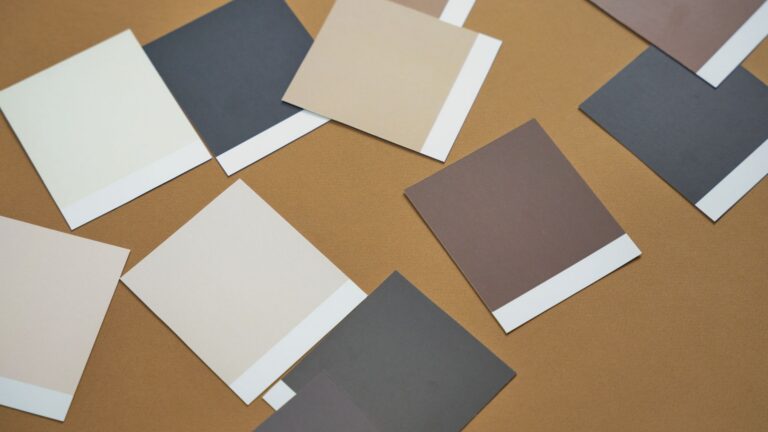
My base palette is soft clay, warm white, and a muted sage. That stays the same every month of the year. What changes is which of those three gets to lead, and how much warmth or coolness sits on top of them through smaller, easy pieces.
nn
Cooler, Darker Months
n
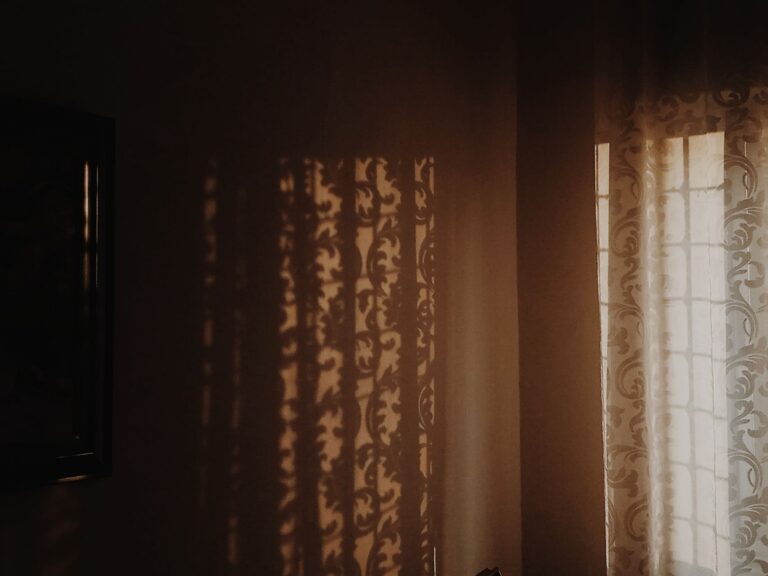
When the days get shorter and the light gets thinner and bluer, I lean the palette toward its warmest members. The clay gets to be the star instead of the supporting color. A few things that do this without much effort:
n
- n
- Swapping a pale linen throw for something in a deeper, warmer tone, even within the same color family.
- Bringing out candles or warm-toned dishes that stayed in the cabinet all summer.
- Letting a rug with more warmth in it take center stage instead of being half hidden under summer furniture.
n
n
n
None of this fights the cooler winter light. It works with it, giving the eye something warm to settle on even while the light coming through the window stays pale and blue for months at a time.
nn
Brighter, Longer Months
n
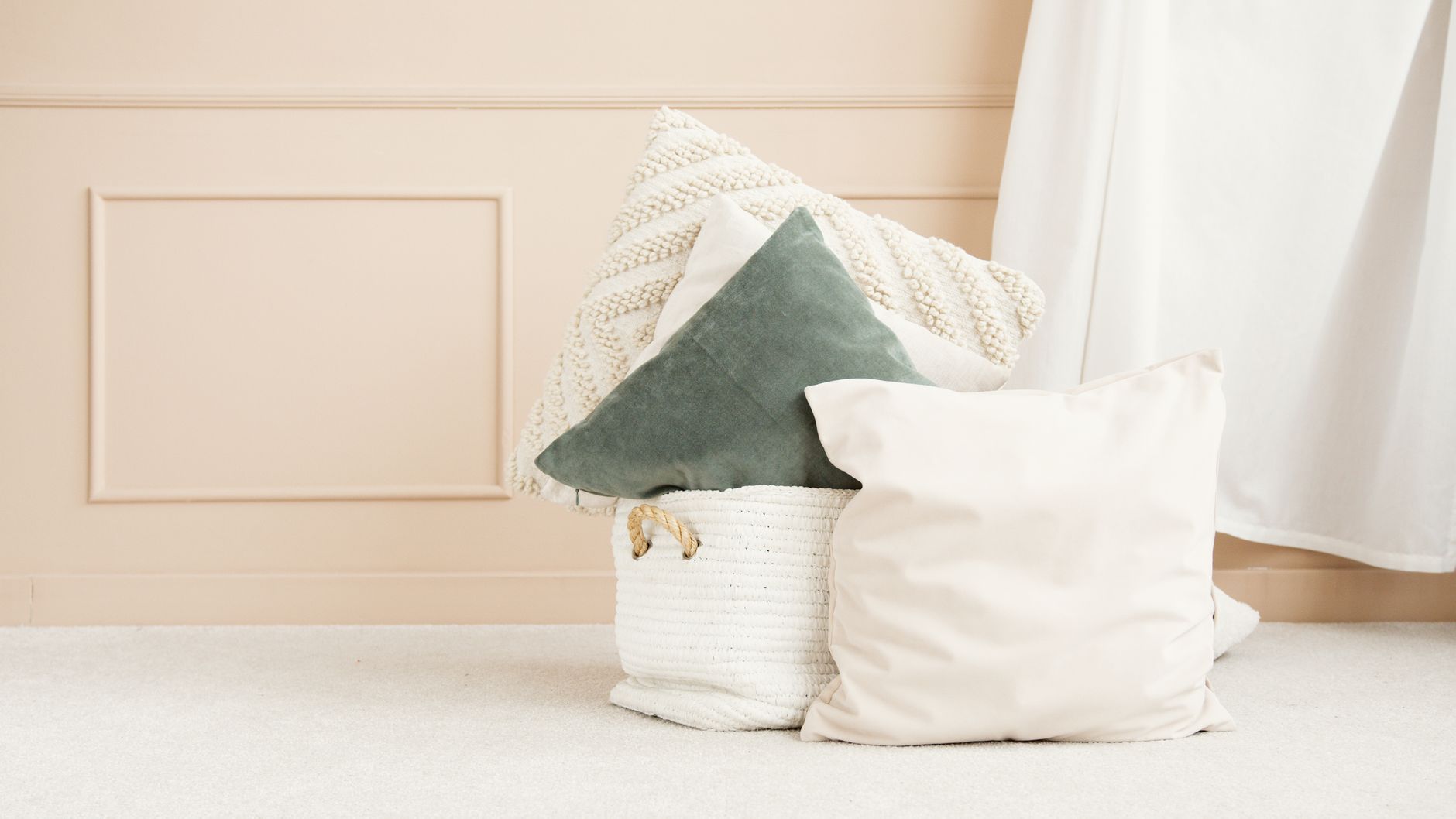
Come late spring, that same warm clay can start to feel a little heavy against all the extra daylight. So the sage and the warm white step forward instead, and the clay gets to shrink down to an accent rather than the main event. A pale green cushion instead of a clay-colored one. Lighter, breezier textiles on a couch that had a heavier throw over it all winter. More open, uncluttered surfaces so the brighter light has room to feel calm instead of busy.
nn
The palette never actually changes. I just decide, season by season, which member of the family gets to speak the loudest.
nn
Why This Works Better Than Repainting
n
Repainting a wall every season is not realistic for most people, and honestly it is not necessary. Walls and big furniture are slow-moving decisions on purpose. But smaller layers, a throw, a few cushions, what is sitting out on a shelf, a table runner, these can move with the seasons without much cost or effort, and they are exactly the pieces that are close enough to catch the light directly and shift how the whole room reads.
nn
A Simple Way to Plan This Without Overthinking It
n
I keep two small boxes in a closet, nothing fancy. One has the warmer-toned pieces from my palette family (deeper clay cushions, a heavier warm throw, richer candles). The other has the cooler, paler versions of the same colors (lighter sage, pale linen, anything that feels breezier). Twice a year, roughly when the light noticeably shifts where I live, I swap what is out for what is in the box. It takes maybe twenty minutes and the room feels considered again instead of tired.
nn
I do not follow a strict calendar date for this. I follow the light. Some years the shift happens earlier, some years later, and I have learned to just notice when the room starts to feel slightly off rather than forcing it onto a schedule.
nn
What to Leave Alone
n
Not everything needs to move. I keep my warm white as a constant background in every season, since a warm white tends to hold up reasonably well whether the light is cool and thin or warm and golden. I think of it as the piece that does not get a seasonal opinion. Having at least one steady, unmoving element in the room makes the seasonal swaps feel intentional rather than like the whole space is in flux twice a year.
nn
The Short Version
n
A palette does not need to be rebuilt every season, it just needs permission to lean a little warmer in the darker months and a little cooler and lighter in the brighter ones. Let your smaller, easy-to-change pieces do that work instead of your walls or big furniture, keep one steady neutral in the mix as an anchor, and follow the actual light where you live rather than a fixed date on the calendar.